The ecology of chronic wasting disease in wildlife
Abstract
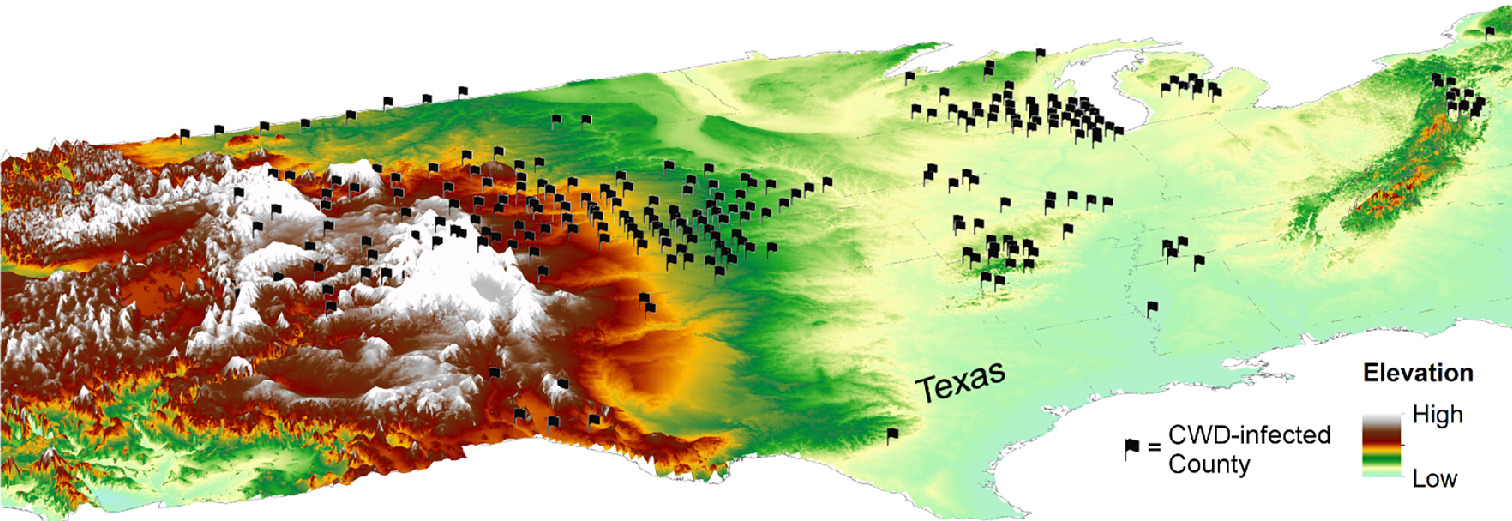
Chronic wasting disease (CWD) is a prion disease affecting cervids (deer, elk, moose, and caribou) across North America and parts of Europe. This review synthesizes the ecology of CWD by integrating knowledge of prion biology, host-pathogen dynamics, environmental persistence, and spatial dissemination. CWD prions are shed through saliva, urine, feces, and carcasses, and can persist in the environment for years, complicating eradication. Landscape features, animal movement behavior, and population density strongly shape CWD transmission dynamics. Direct and indirect transmission pathways are evaluated, and the role of deer movement networks in facilitating long-distance spread is highlighted. Surveillance strategies, management interventions including culling and hunting, and their population-level epidemiological effects are assessed. The review also addresses the potential for cross-species spillover, particularly to livestock, and discusses the implications for wildlife conservation and public health. Coordinated, landscape-level surveillance approaches integrating spatial ecology and network analysis are identified as priority areas for advancing CWD management.